
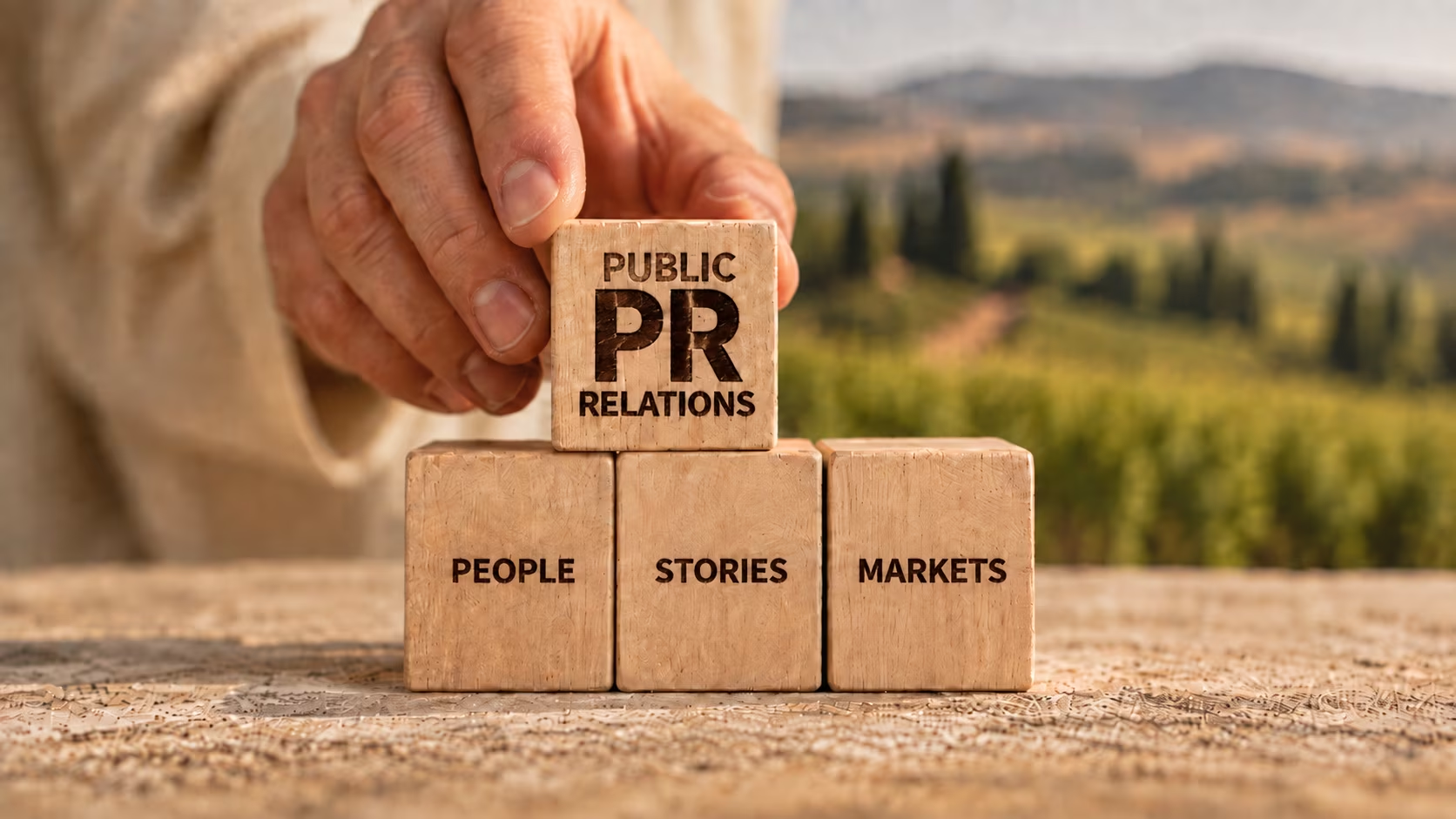
Winery PR in the UK works differently from PR in many other industries because wine is fundamentally a recommendation purchase.
Wine is a strange product to market. It is discretionary, specialist and often difficult to judge before you buy it. Particularly as prices rise, consumers rely on people they trust to help them choose: sommeliers, merchants, journalists, critics, friends and increasingly creators online.
That makes PR particularly powerful for wineries. It gives other people a reason, and a platform, to carry your story for you.
People rarely approach wine like they approach washing powder or broadband. They ask someone.
What should I order?
Is this producer good?
Have you tried this vintage?
Is it worth the money?
The answer might come from a sommelier, merchant, journalist, critic, friend, newsletter, Instagram account or increasingly a creator they follow online.
This is exactly where wine PR becomes powerful.
Paid advertising can create visibility. Performance marketing can generate clicks. But neither automatically gives a winery credibility. PR lets another person, publication, or trusted voice carry part of the message for you.
For wine, that matters enormously.

Recent UK research makes this particularly clear.
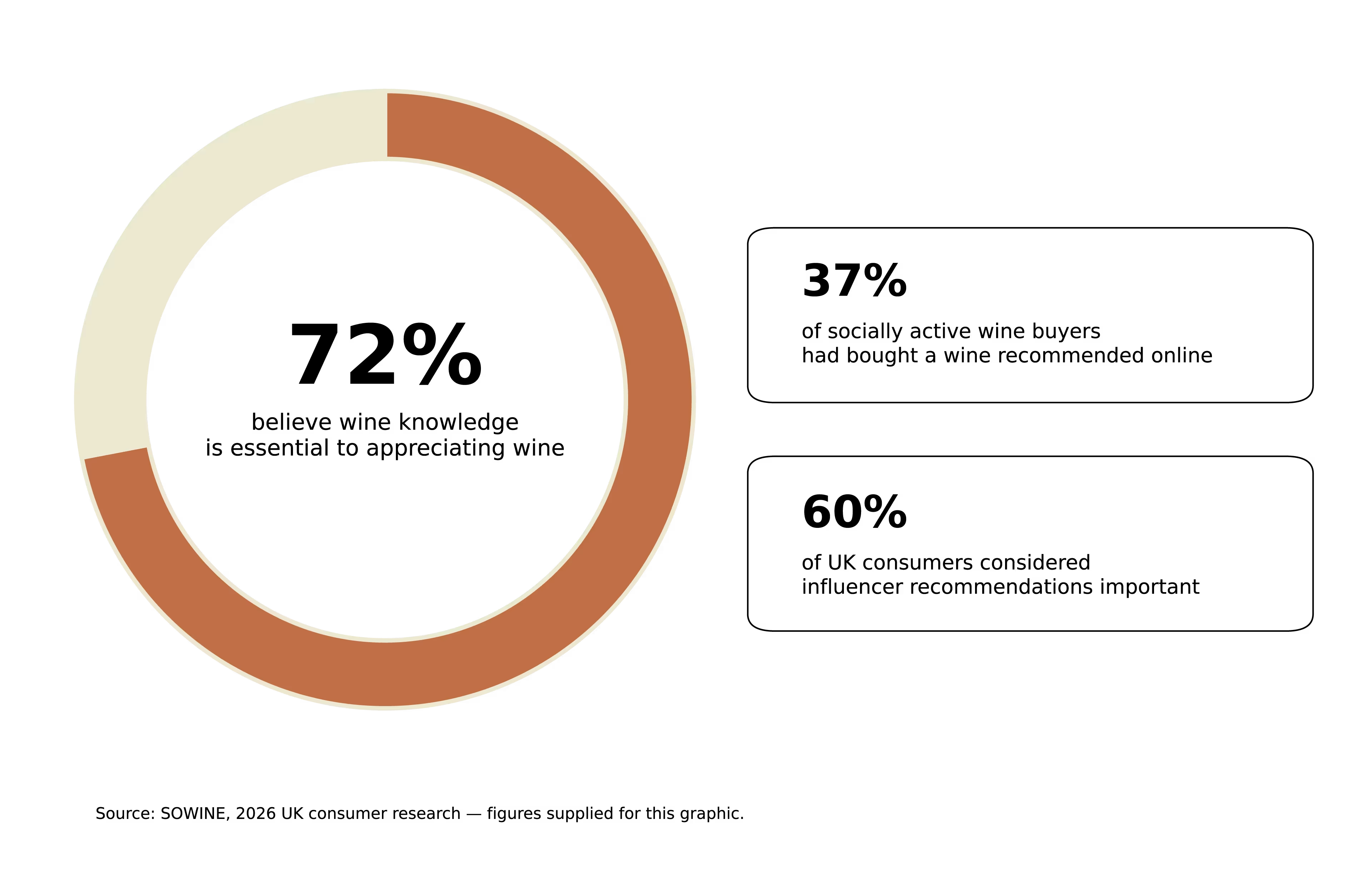
SOWINE’s 2026 UK consumer research found that 72% of consumers believe wine knowledge is essential to appreciating wine. Among socially active wine buyers, 37% said they had already purchased a wine recommended online, while 60% of UK consumers considered influencer recommendations important.
That tells us something about the category. And we have seen it first hand with our clients wines and journalist exposure once the story gets the space it needs than the interest grows.
A journalist can explain why a vineyard matters and put a producer into context. A content creator can make a bottle relevant to an audience that might never read a traditional wine magazine, so a merchant can translate technical detail into a reason to buy and to list.
PR helps create those bridges.
“In wine, value is created twice: first by making something desirable, then by making people desire it. The wine does the first. Story, positioning and perception do the second.”
— Mattia Scarpazza, Trellage
This goes beyond wine.
Edelman’s 2026 Brand Growth research found that, among more insular consumers, unpaid voices were five times more powerful than paid brand voices in generating trust. Friends, family and people perceived as being “like me” carried particularly high levels of influence.
That is a useful way to think about PR.
A winery saying, “Our wine is exceptional,” is advertising.
Someone else saying, “You should pay attention to this producer,” creates a different signal.
That does not mean editorial coverage is automatically positive, nor should it be. Good PR is not about controlling journalists. It is about making sure the winery has something worth talking about, then putting that story in front of the people most likely to understand it.
Wine writer Tim Atkin MW put this particularly well:
“We like good stories, but we know when we’re being sold to.”
That distinction matters.
Twenty years ago, winery PR was easier to define.
You targeted wine writers, sent samples, organised press trips, waited for reviews and hoped for coverage.
That world still exists, but it is now only one part of the landscape.
Wine PR can include trade journalists, consumer press, sommeliers, specialist newsletters, podcasts, critics, educators, tastings, social creators and influencers. A story might begin in a traditional publication, then appear in a merchant newsletter, get discussed by a sommelier on Instagram and finally be forwarded privately between collectors.
The job of PR is therefore less about securing one article and more about creating the conditions for a story to travel.
This matters because frequency creates familiarity.
One article may introduce the winery. A tasting gives people direct experience. A second feature reinforces the point. A sommelier repeats the story to a customer. A merchant uses it in an email. A creator shows the bottle in another context.
Slowly, the producer moves from unknown to familiar.
And familiarity reduces risk.
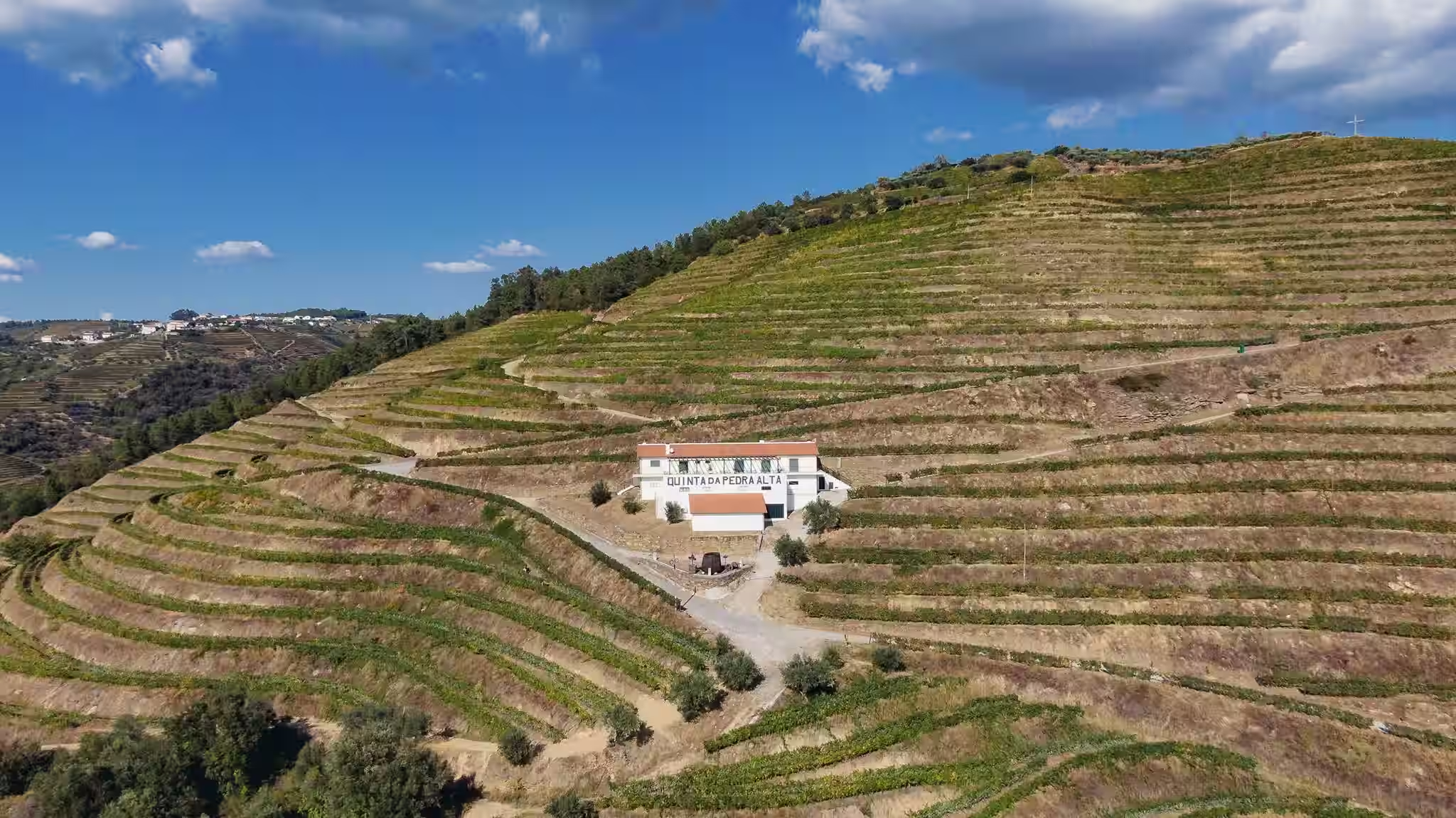
A useful example is Quinta da Pedra Alta, a Douro estate that has built significant visibility in the UK while developing the market itself.
When the estate came under new ownership in 2018, it was still better known as a source of grapes than as a premium bottled-wine producer. The strategy since then has combined investment in the wines, stronger branding and packaging, UK distribution through Bancroft Wines, and consistent communications around the estate, its people and its ambitions.
Our friend Nicky Smith of Smith & Vine, who works with Quinta da Pedra Alta, has helped bring that story into the UK wine conversation. Coverage has ranged from detailed producer features in The Buyer to consumer-facing recommendations and wine round-ups.
The important point is not simply that Pedra Alta received press.
The coverage gave people different reasons to understand the estate: the Douro site, its move from grape supplier to premium producer, the people behind it, its contemporary approach to Portuguese wine, and individual wines worth seeking out.
By 2024, the UK had become Quinta da Pedra Alta’s largest export market, with the estate reporting growing distribution across independent merchants and the on-trade.
That is what strong wine PR can do. It does not replace distribution or product quality. It gives both of them a louder, clearer voice.
For fine wine, this may be PR’s most valuable role.
Many of the things that make wineries interesting are not immediately obvious.
Old vines. Unusual training systems. Indigenous varieties. A difficult vintage. A new winemaking philosophy. Regenerative farming. Long ageing. A forgotten appellation.
These things need explanation.
PR creates space for that explanation and, in some cases, can help change an entire narrative.
A region considered inexpensive can begin to be discussed in terms of quality. A grape treated as secondary can become interesting again. A producer known for one wine can introduce another part of its work.
That does not happen through one press release. It happens through repeated stories, education and credible voices.
Wineries sometimes overlook another benefit.
Good editorial coverage can create backlinks, references and searchable third-party information about the winery. Google itself states that links help users discover pages and signal relevance.
A credible feature may therefore continue creating value long after publication.
Someone researching the winery six months later may find it. An importer checking the producer before a meeting may read it. A customer searching the bottle after seeing it on a restaurant list may discover the story.
As search increasingly incorporates AI-generated answers, having credible information about the winery distributed across the web also becomes more important.
PR is no longer separate from digital presence.
Wine has no shortage of journalists, PR agencies, creators and communicators.
That makes targeting more important, not less.
A fine wine estate should not necessarily pursue the same publications or influencers as a supermarket brand. A natural wine producer speaks to a different network from a luxury Champagne house. A regional promotional body has different objectives again.
The number of contacts in a PR database tells you very little.
What matters is whether the PR company understands where your wine belongs.
Who writes about your category?
Who influences your target importer?
Who speaks to sommeliers?
Who reaches collectors?
Who can genuinely understand the story?
Andrew Jefford has advised wineries to remember that every journalist is different. That is perhaps one of the simplest rules of good wine PR.
Do not send everything to everyone.
Find the people for whom the story actually matters.
The objective of wine PR is not simply to get coverage.
It is to make the winery easier to understand, remember, and talk about.
That requires something worth saying in the first place.
The vineyard, wine, people and decisions create the story. PR gives that story momentum.
In a category built around recommendation, education and trust, the right voice talking about your winery can often carry further than the winery talking about itself.
Thoughts from a Wine Marketing & PR Agency
Observations from the conversations, decisions and problems we see every day in wine.