There is a persistent misunderstanding in wine that visibility is created through scale alone, though when you speak to wineries, the response is the same: “We had no responses from the last fair we went to.”
Feel free to insert your own fair here, we are sure you have one.
Yet some of the most effective winery events happening today operate in the opposite direction. Smaller room. Precise conversations. Aiming to create long-term memory.
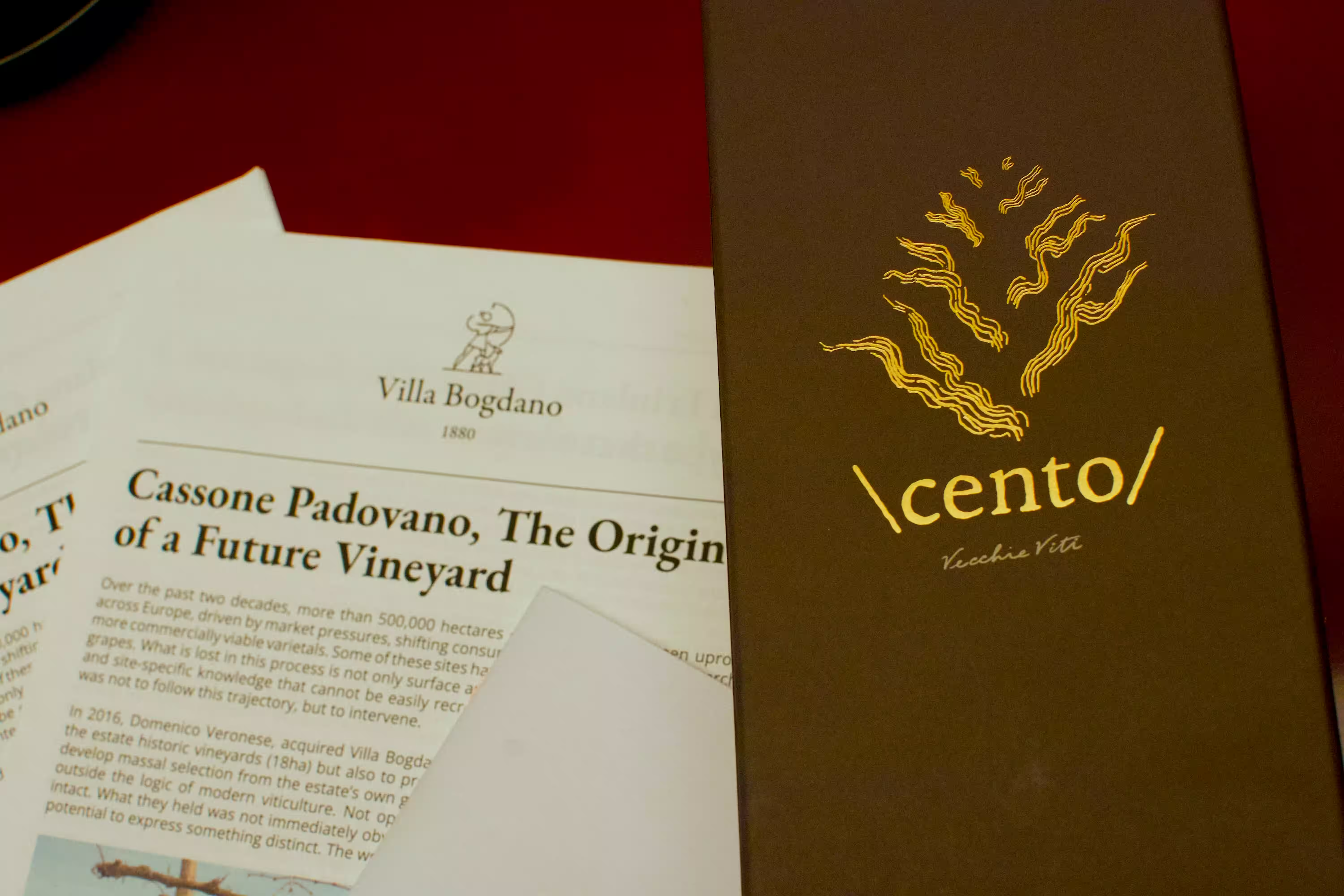
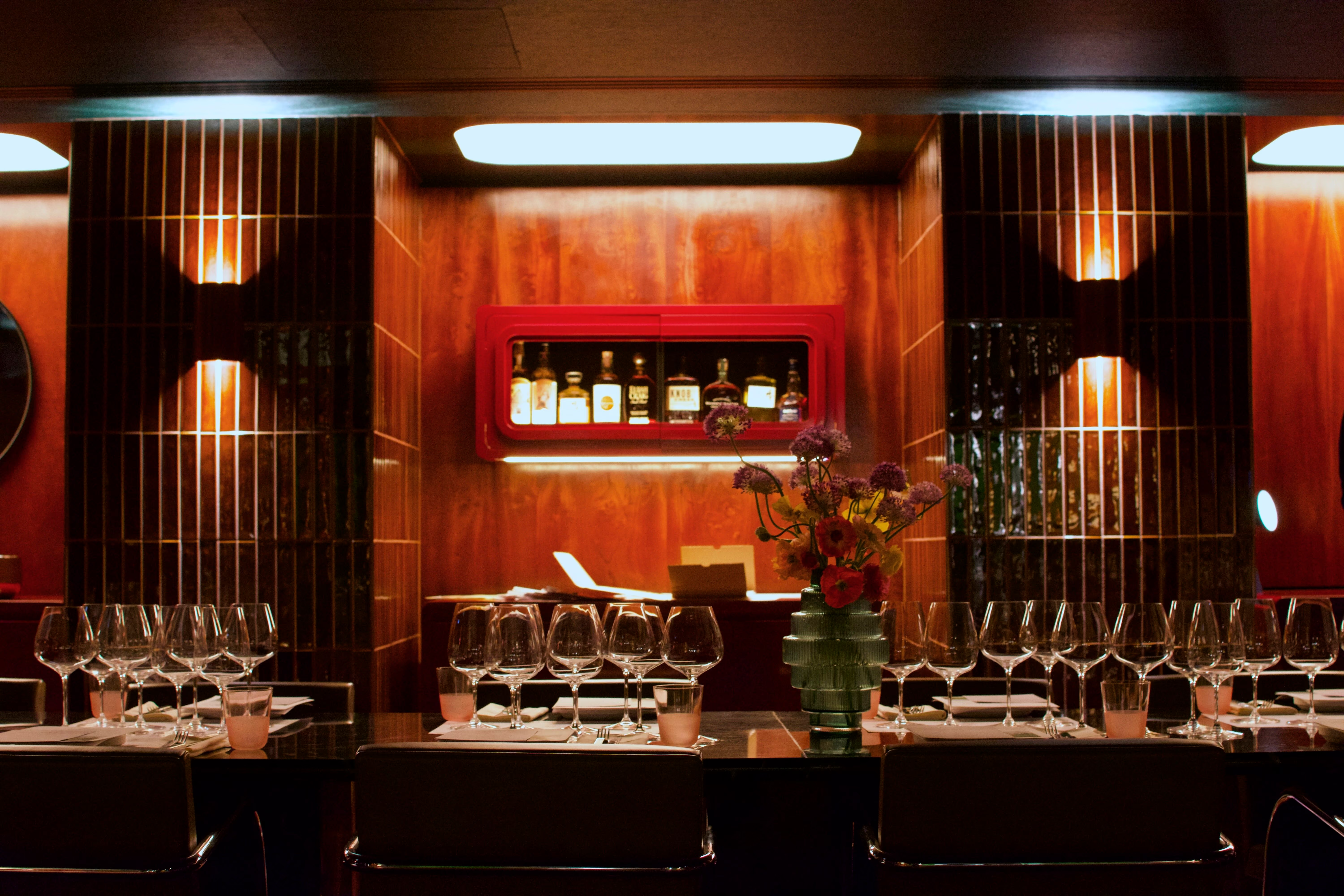
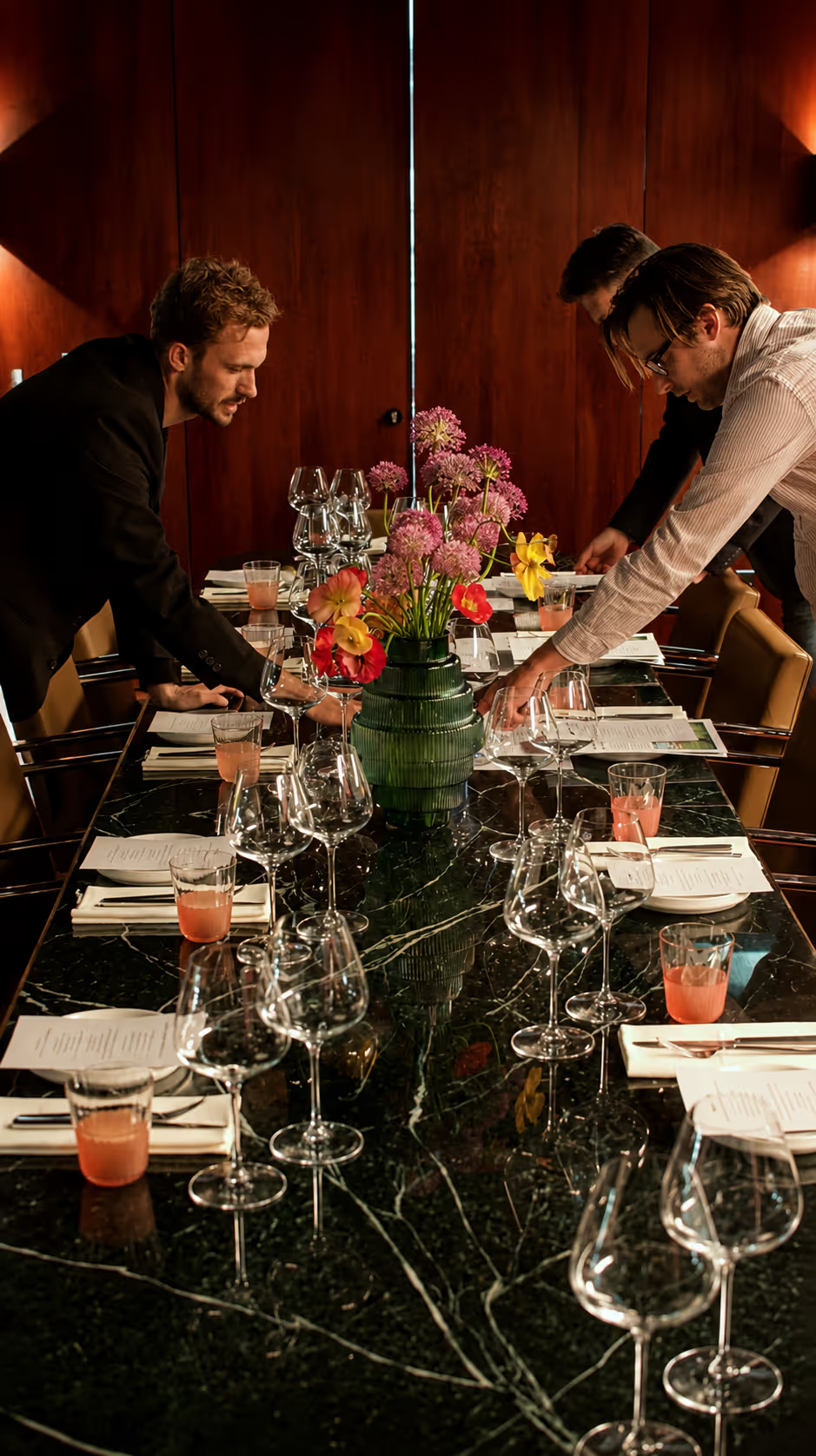
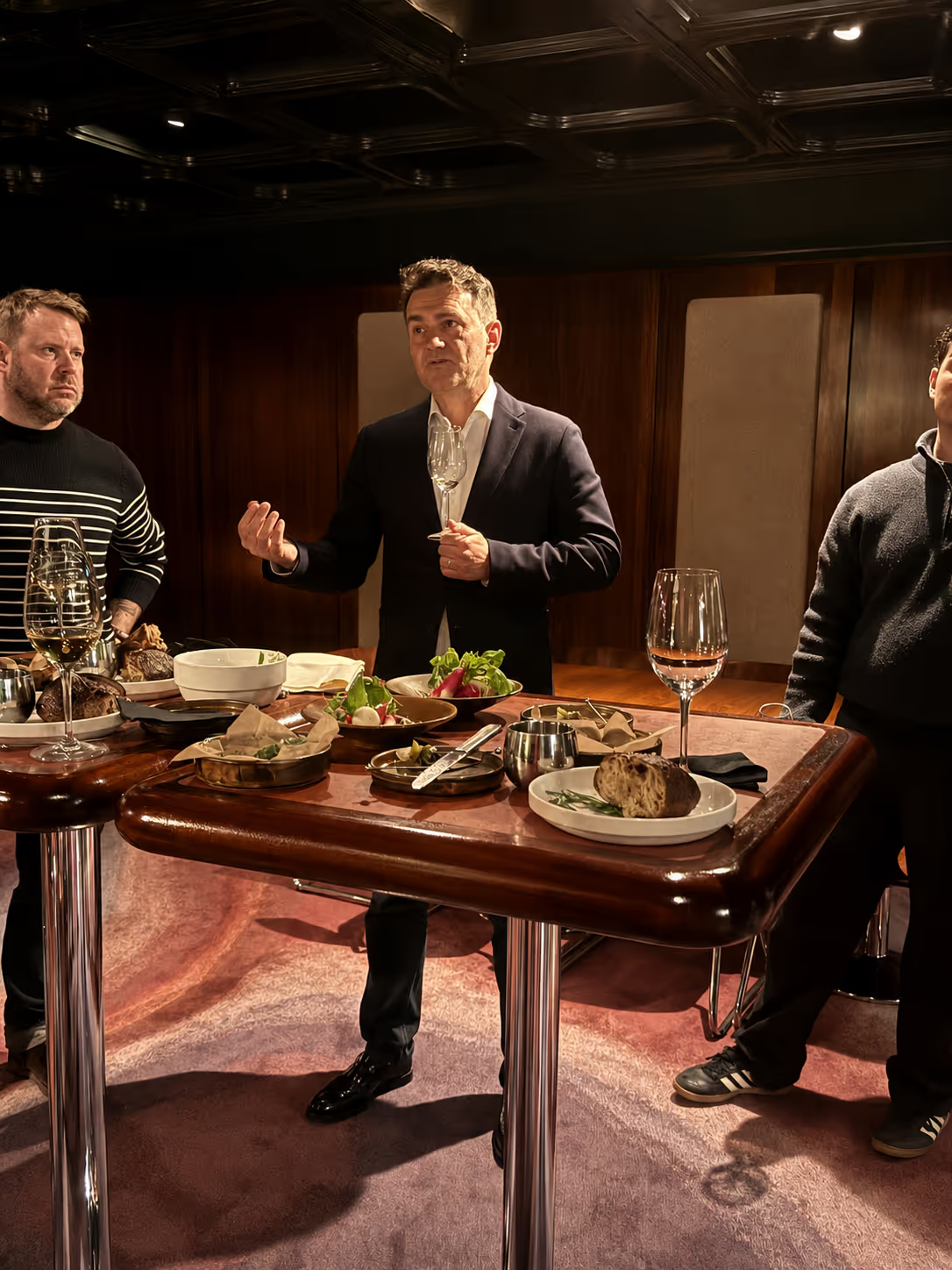
The recent Villa Bogdano event in London to introduce its new cuvée Cento was a reminder of that reality. In an industry increasingly saturated with labels competing for attention, premium wineries no longer benefit from simply “being present”.
What matters is whether the winery becomes understood. Whether buyers, sommeliers, journalists, and collectors leave with a coherent impression of the estate, and a reason to remember it.
That is where carefully designed activations become strategically important.
Before a customer opens a bottle of fine wine somebody else has already said its story: a sommelier, a journalist, an importer, a retailer, a collector, or a trusted friend (those are the best endorsements).
This type of event brings the story closer to the people who will repeat it. The role of the event, therefore, is not to invent excitement artificially, it is to create the right environment for a story to be told.
Many winery events fail because they attempt to manufacture prestige rather than reveal substance.
With that in mind the activation was built around a single wine, a specific variety: Tocai Friulano Giallo, and the winery’s unique old vines.
Better storytelling, careful preparation of the sequence, and touch-points that feel aligned rather than improvised, can make the difference for those people who come to the event to remember the important things.
That is why event strategy has become inseparable from brand strategy.
It’s a part of the winery positioning.
Consciously or unconsciously, guests are deciding:
Does this winery feel premium?
Does it feel relevant?
Does it feel trustworthy?
Does it feel differentiated?
Does it deserve attention in a crowded market?
These questions are rarely answered by the wine alone. This is especially true in markets like London, where attention is fragmented and competition is relentless.
The future of premium wine communication: the industry is slowly moving away from generic exposure and toward designed relevance. More intentionality.
At Trellage, we believe activations should never exist separately from positioning. An event is not an isolated marketing exercise, it is part of the winery’s long-term equity. An event is an occasion to create content, connections and quotations, it should be part of a strategy to create a product that is understood and followed.
Thoughts from a Wine Marketing & PR Agency
Observations from the conversations, decisions and problems we see every day in wine.